Morocco, a key player in the fight against illegal immigration: Spain records a nearly 30% drop in arrivals

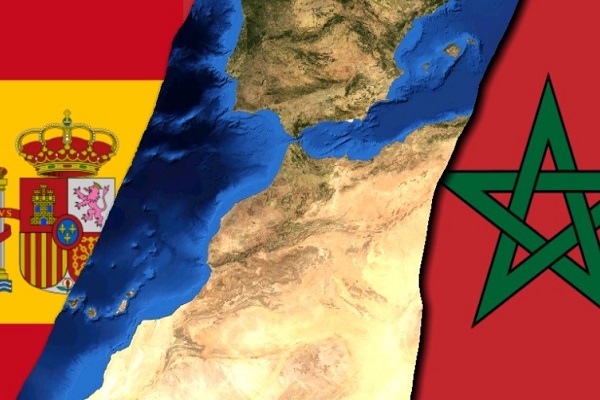
The latest data released by the Spanish Ministry of the Interior show a significant decrease in the number of illegal migrants arriving in Spain between January and November 2025. In total, 34,251 migrants reached Spanish territory during this period, compared to 56,976 in the same period in 2024, representing a 29.9% decrease. This trend is largely attributed to the close cooperation between Madrid and Rabat in combating human trafficking networks.
The most pronounced decline concerns arrivals by sea, which fell by 43.7%, from 54,541 to 30,692 migrants. The number of intercepted boats also dropped by 29.2%, an indicator reflecting the effectiveness of pre-emptive actions, mainly along the Moroccan coast. The surveillance and control operations deployed by the Kingdom prevent many departures before they even reach Spanish waters.
Cooperation between Morocco and Spain has translated into an increase in joint patrols, real-time information exchanges, and actions against trafficking networks. Moroccan authorities have intensified monitoring along the Mediterranean and Atlantic coasts, directly contributing to the reduction of migratory flows to Europe. Madrid regularly highlights the importance of this partnership in its official reports.
The case of the Canary Islands particularly illustrates the impact of this cooperation. On this historically busy migration route, only 16,807 migrants have been recorded since January 2025, compared to 41,425 in 2024, representing a dramatic 59.4% drop. These figures highlight the effectiveness of joint measures implemented to secure this strategic area.
However, trends are not uniform across Spain. Arrivals on the peninsula and the Balearic Islands increased by 6%, mainly due to departures from Algeria to the Balearics (+28.3%). In contrast, the peninsular coast saw a decrease of 8.7%, showing that the overall reduction in illegal flows remains strongly influenced by Moroccan vigilance.
The enclaves of Ceuta and Melilla, located on the border with Morocco, present different dynamics. Maritime arrivals there are almost nonexistent (5 migrants in Ceuta and 25 in Melilla), but land crossings have risen sharply, reaching 3,559 migrants, compared to 2,435 a year earlier. Ceuta received 3,268 migrants (+39.4%) and Melilla 291 (+219.8%), highlighting the complexity of the situation and the need for continuous coordination between Rabat and Madrid.
Despite these regional variations, Morocco’s role is now recognized as central in the fight against irregular migration. Through the modernization of its surveillance systems, intensified interventions, and close cooperation with Spain and Europe, the Kingdom helps secure one of the most sensitive migration routes to Europe. The 2025 figures confirm that the Morocco-Spain partnership is a successful model for controlling migratory flows.